

01of 8
Disability is biopsychosocial.
What happens at work shapes recovery as much as what happens in the body. Diagnosis is not destiny.
FabricationA short declaration of what ethical, psychologically safe, biopsychosocial disability management requires. Signing it is how you add your name.

The charter is the founding statement of what good disability management requires. It is short on purpose, because a standard nobody finishes reading sets nothing.
The eight principles were approved by the founding board on 7 July 2026 and signed by every director. Signing is how you add your name to them.
To sign is to stand for these principles. For an individual, that is the whole of it. For an organization, signing also means acting.
Successful and sustainable return to work depends on the interaction of health, workplace conditions, psychologically safe practices, and effective disability management. Disability is biopsychosocial: the team, the supervisor, and team-level psychological safety shape recovery as much as diagnosis.
For too long, return to work has been treated as a medical and administrative problem, and the people inside it have too often been harmed by the very process meant to help them.
Effective disability management also informs prevention: identifying and addressing the workplace conditions that contribute to psychological injury, while protecting individual confidentiality. Early, supportive, psychologically safe intervention improves outcomes and reduces the risk of prolonged disability.
The Alliance exists to set a better standard, and to build the community of people and institutions willing to meet it. We prescribe first. We name what good looks like, on the evidence, and we invite the field to lead. We are pro-standard, not anti-anyone. The organizations already moving toward this model are who we build with.
Eight in the board-approved text, each beside a workplace of the kind it governs, because a standard that only pictures an office is not a national one.
What happens at work shapes recovery as much as what happens in the body. Diagnosis is not destiny.
Fabrication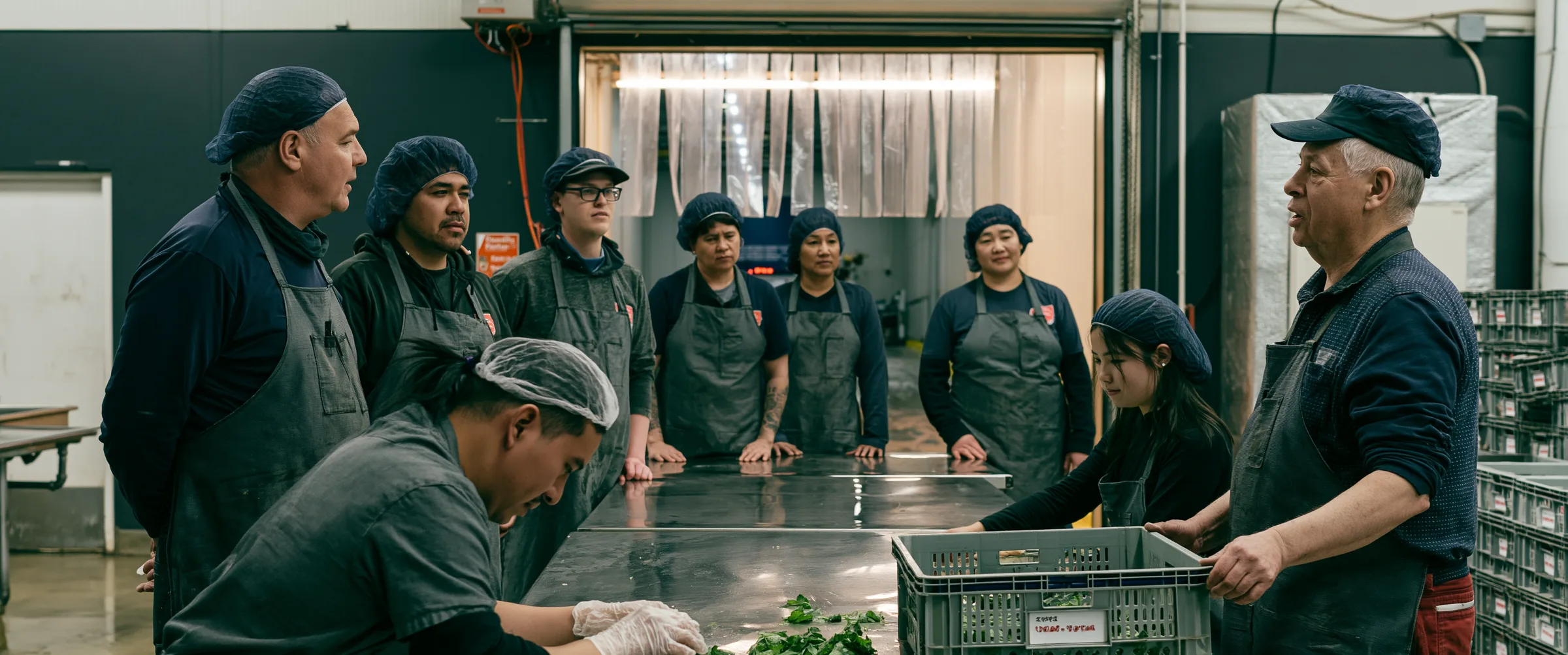
An unsafe team halts healing and causes preventable secondary harm. Psychological safety matters across the whole return-to-work process, including leadership, organizational culture, and every institutional interaction, not the immediate team alone. It is assessed before a return, not discovered after one fails.
Food processing, before open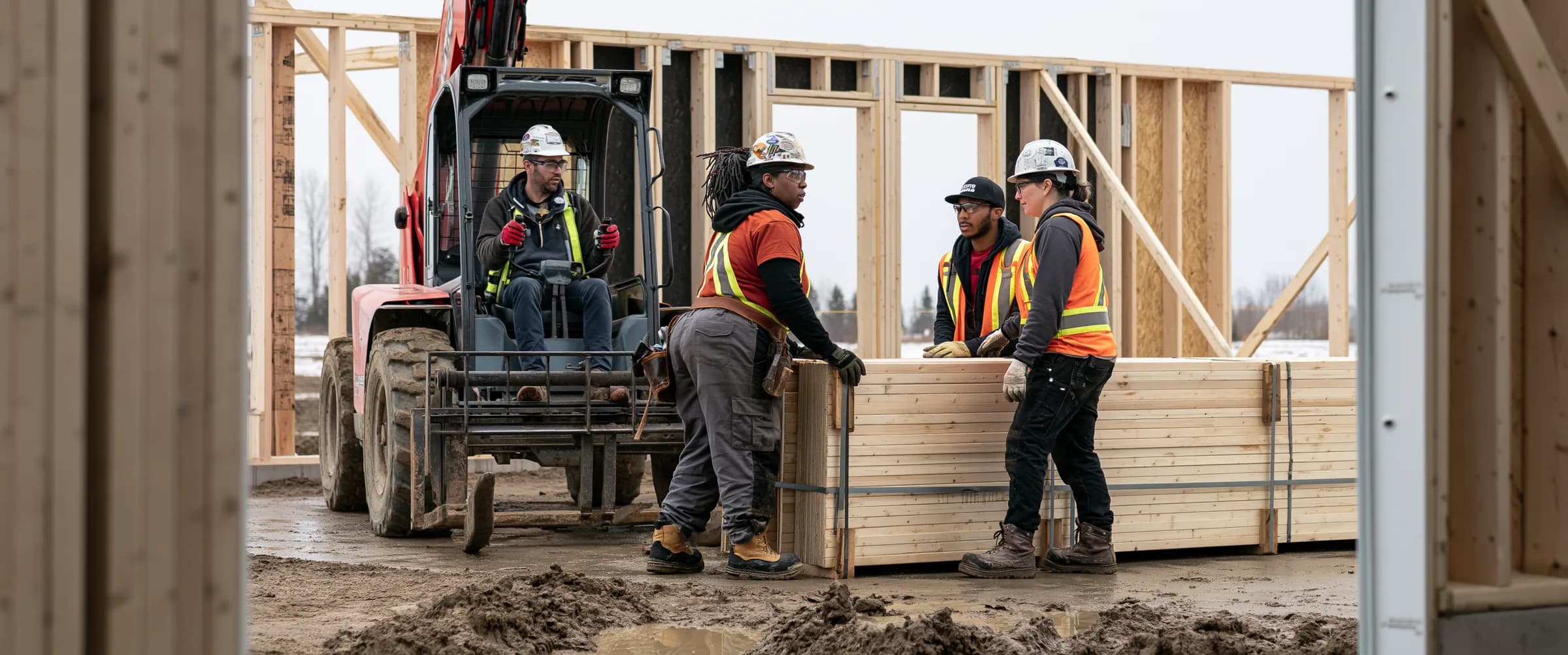
They decide return outcomes more than diagnosis or claim duration, so they are supported first, not blamed last.
Construction, ground deck
Decisions are ethical, evidence-informed, transparent, and impartial, never manipulation, never adversarial toward the person, and they respect the dignity, rights, and lived experience of every individual.
Hospital corridor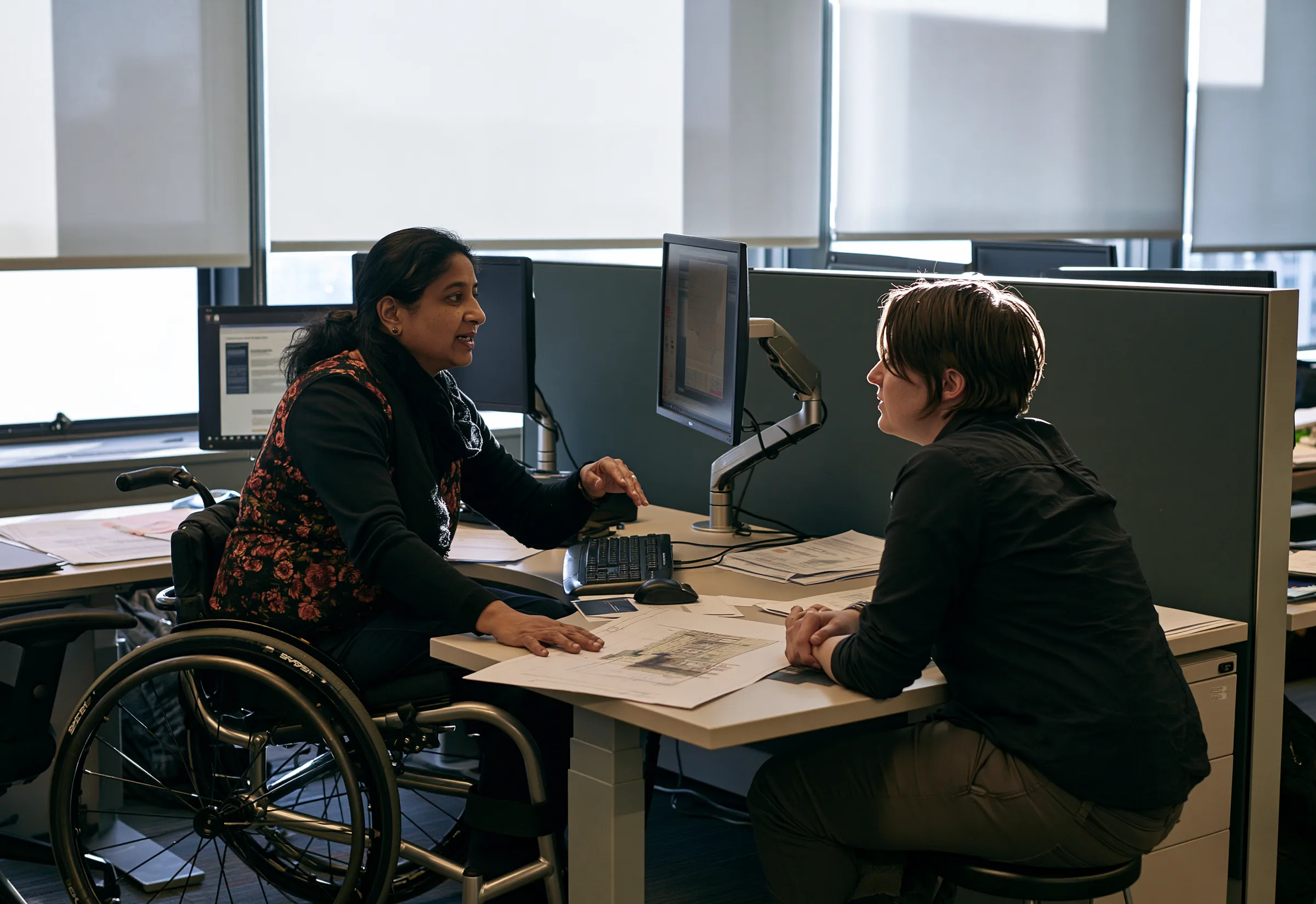
The process owes dignity, and must never become a source of harm itself. Trust, meaning fairness, transparency, consistency, and respectful communication, is itself a therapeutic factor in return to work.
Office
Enough qualified, trained case managers and supervisors, competent in disability management, psychological safety, trauma-informed practice, communication, and ethical decision-making. No one manages a recovery they are not equipped to handle.
Long-term care, handover
Many people entering disability management carry workplace bullying, harassment, discrimination, violence, moral injury, institutional betrayal, or cumulative trauma. Processes recognize how psychological injury and institutional responses shape recovery, trust, and participation, and every interaction avoids re-traumatization while supporting recovery and dignity.
Warehouse, before dawn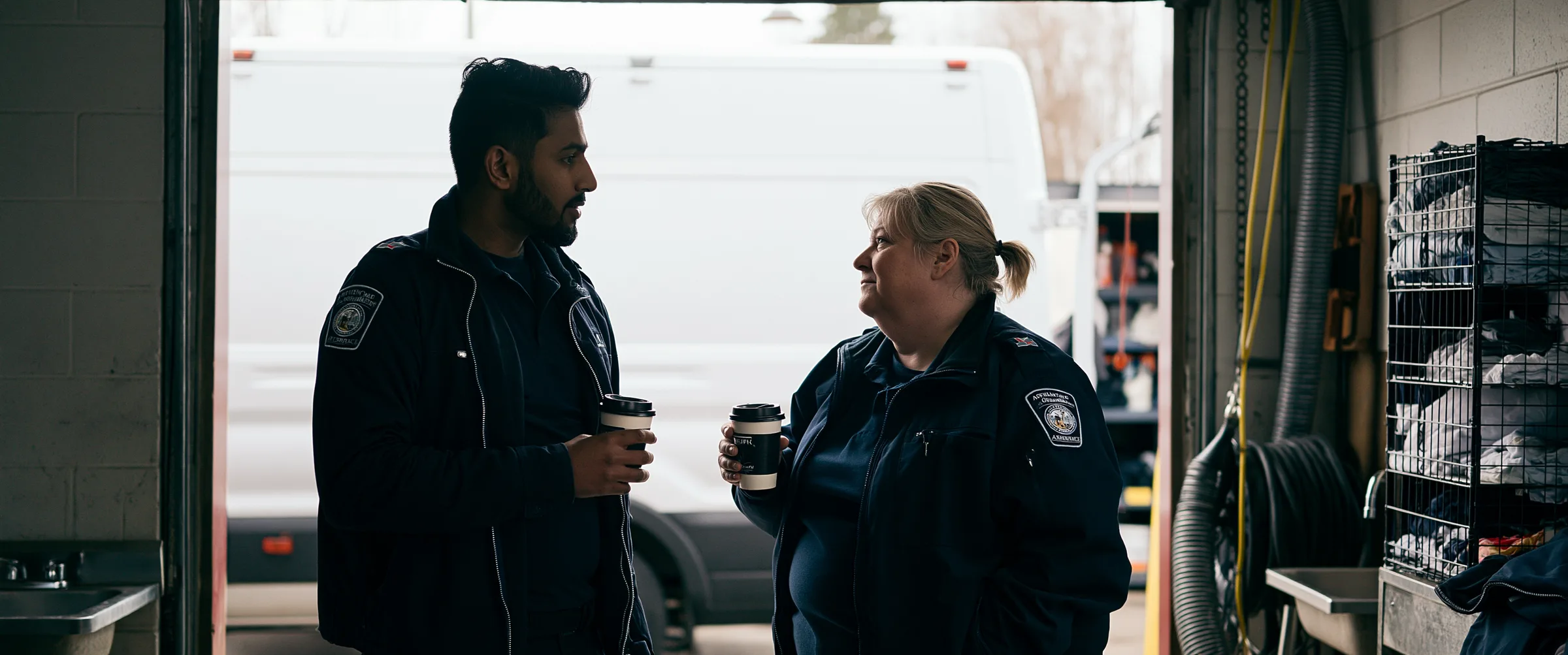
Sustainable return to work is achieved through collaboration among the worker, the employer, supervisors, healthcare providers, and disability professionals. No one carries recovery alone.
Paramedic serviceRecognition is neutral. The Alliance endorses no organization's products or services over another's, and applies the same published criteria to all.
The eight principles above are what you are signing.
Practitioners, clinicians, supervisors, advocates, and the people the system has affected.

Not blame. A standard.
Some carriers have already moved toward this model. They are not the problem, they are the proof, and they are who we build with. Signing is how they show the standard is achievable, and how the line between reform and the status quo gets drawn.
If you are in immediate danger, call 911. To talk to someone now, call or text 9-8-8, Canada’s Suicide Crisis Helpline, any time, in English or French.
Provincial and territorial crisis lines, including Indigenous-specific lines, are on our crisis page.